
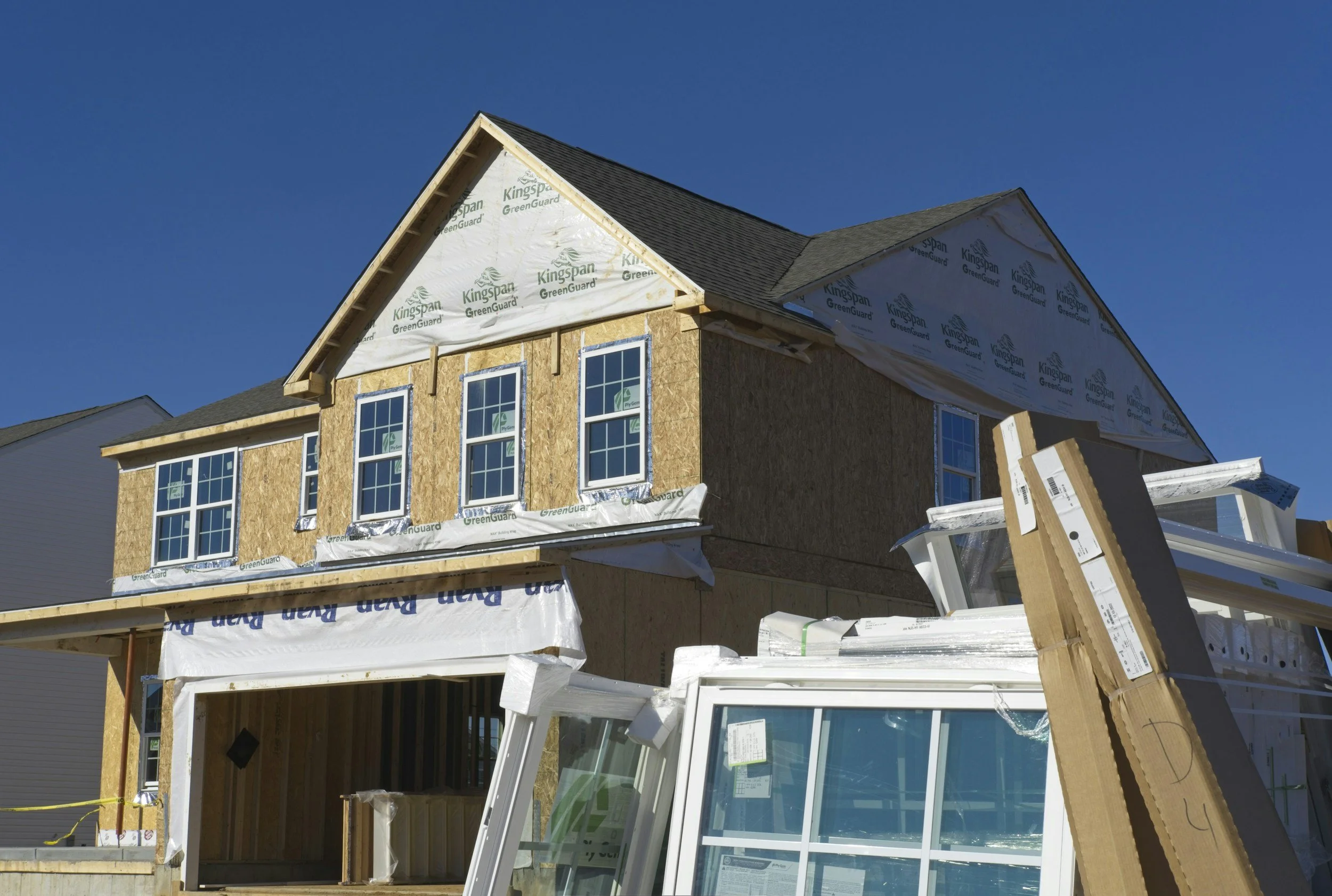
A PLAN TO DELIVER RELIEF WHILE WE BUILD
Years of under-building have driven housing costs higher. Here are four solutions to deliver families relief while we build.
GAS. GROCERIES. RENT. HEALTHCARE. COSTS ARE UP — WE’RE ON IT.
Right now, the rising cost of living is the defining issue for American families, whatever their politics.
Families are squeezed by what it costs to fill the gas tank, stock the fridge, see a doctor, pay the rent or mortgage, and keep the A/C running. We’re here to surface the best policy ideas to deliver real relief now and tackle the root causes of rising costs.


IN THE NEWS
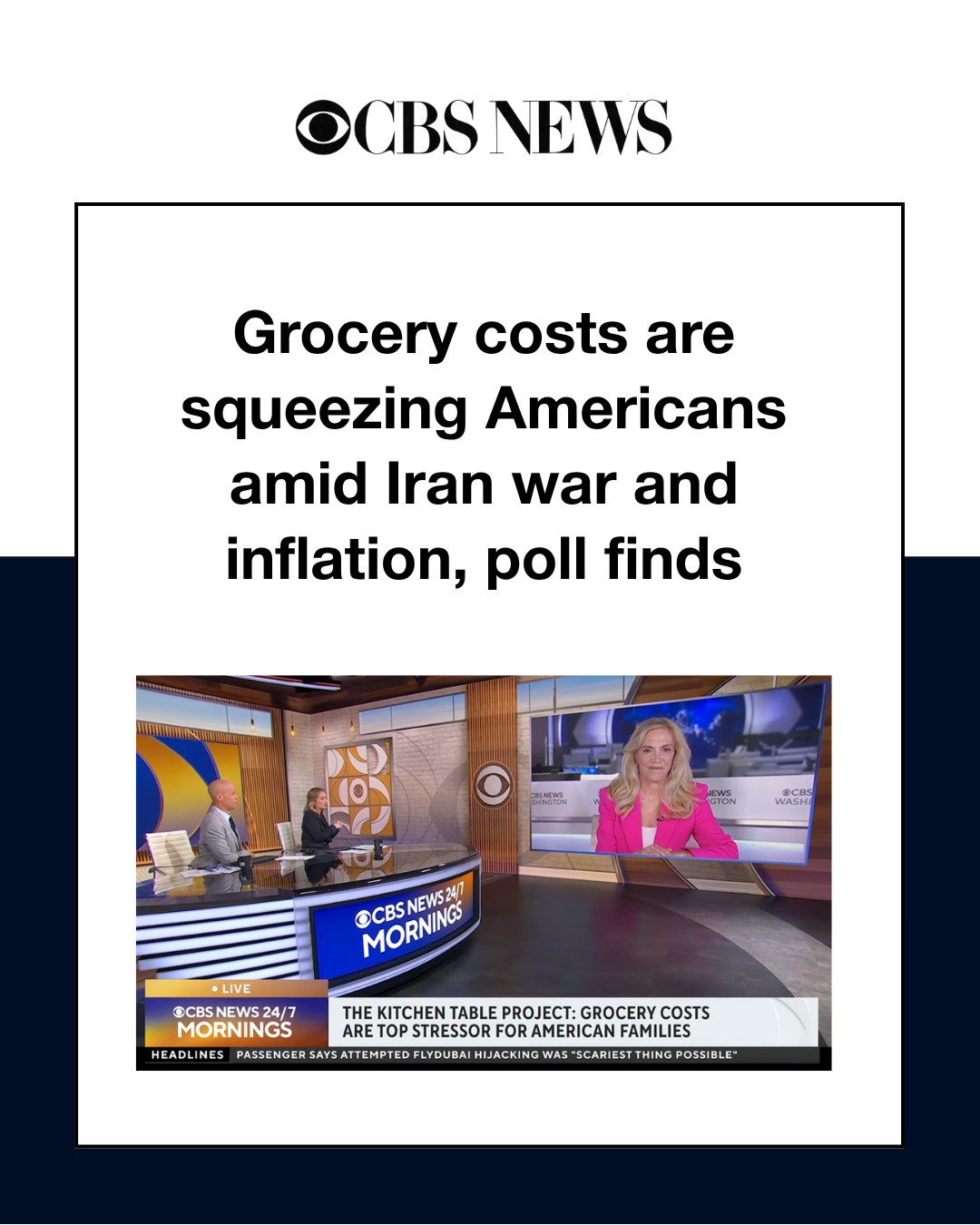
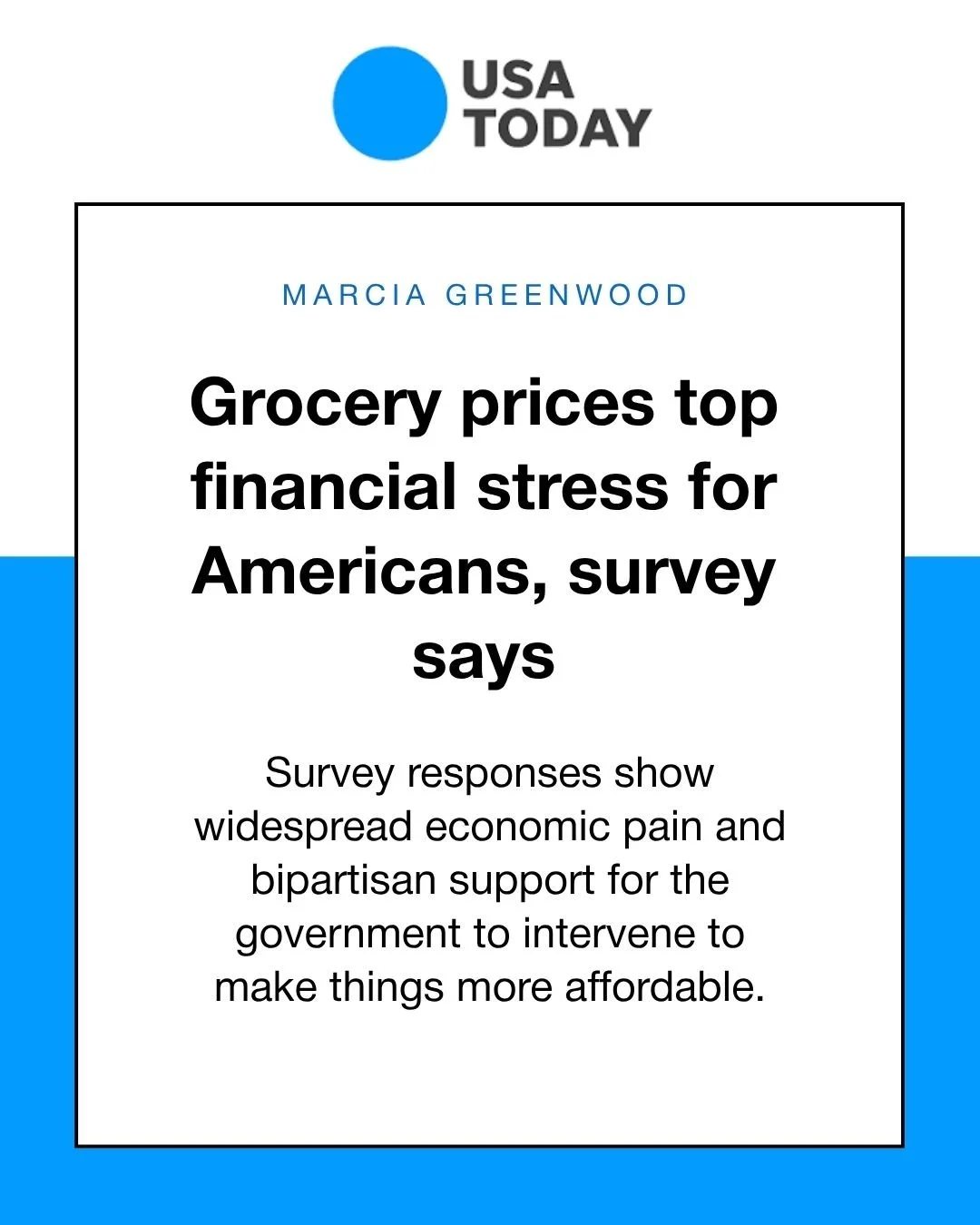

THE GROCERIES SQUEEZE
Rising grocery costs are squeezing family budgets. Here’s what Washington can do.
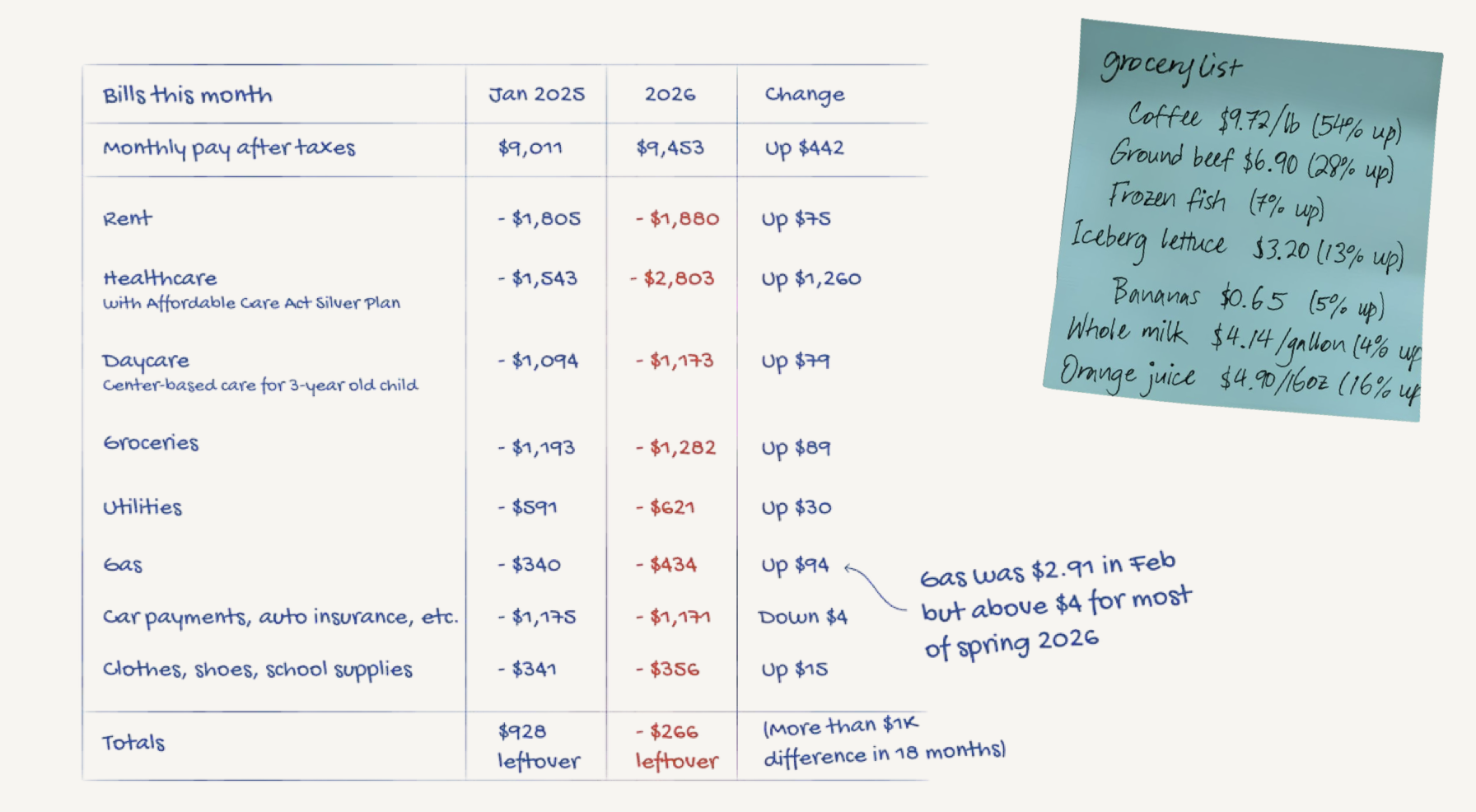
FAMILY BUDGETS ARE IN THE RED
It has gotten harder to afford the basics over the last year and a half. Costs have gone up for healthcare, utilities, groceries, childcare, transportation, and kids’ gear, and take-home pay for most families hasn’t kept up.
We ran the numbers and it’s clear that policy actions since January 2025 are directly driving up the cost of living for working families. The math around family budgets is no longer adding up.
THE HEALTHCARE COST CAP
Our latest healthcare brief unveiled new national polling and a novel Healthcare Cost Cap — a monthly out-of-pocket cost cap — that could apply across employer plans, Medicare, and marketplace plans and be paid for by private sector pricing reforms without creating new fiscal burdens.
This short documentary from the Kitchen Table Project features real conversations with Americans from around the country about the growing crisis of out-of-pocket healthcare costs — and what can be done about it.
OUR APPROACH
-
We’re digging into what’s actually driving higher prices across the major buckets in a household budget. Understanding why costs are rising is the first step to bringing them down.
-
We’re working to find the best policy ideas across the board and develop new ones to tackle the costs that matter most to Americans.
-
We’re hearing directly from people across the country – across parties, regions, and backgrounds – about the costs they’re facing and the tradeoffs they’re making. And we’re using their feedback to inform our proposals.